Expert Team
Bringing together leading global experts to advance international cooperation and knowledge sharing under the Belt and Road Initiative.

Nicole Turner Lee
Senior Researcher in Governance Studies, Brookings Institution
Dr. Nicole Turner Lee is a Senior Fellow in Governance Studies and Director of the Center for Technology Innovation (CTI) at the Brookings Institution, a global think tank headquartered in Washington, D.C. She also co-edits the TechTank blog and podcast. Dr. Lee founded the AI Equity Lab within CTI. Her research focuses on equitable access to technology in the United States and globally. She leads research and public policy initiatives aimed at identifying and mitigating algorithmic bias in artificial intelligence systems. She is the author of *Digital Invisibility: How the Internet Is Creating a New Underclass* (Brookings Press, 2024) and frequently appears in major media outlets. She has testified before the U.S. Congress and international governance bodies and has written extensively on technology and telecommunications. In 2022, she was recognized by the American Sociological Association for her distinguished professional contributions. Dr. Lee earned her bachelor’s degree from Colgate University and her Ph.D. in sociology from Northwestern University.
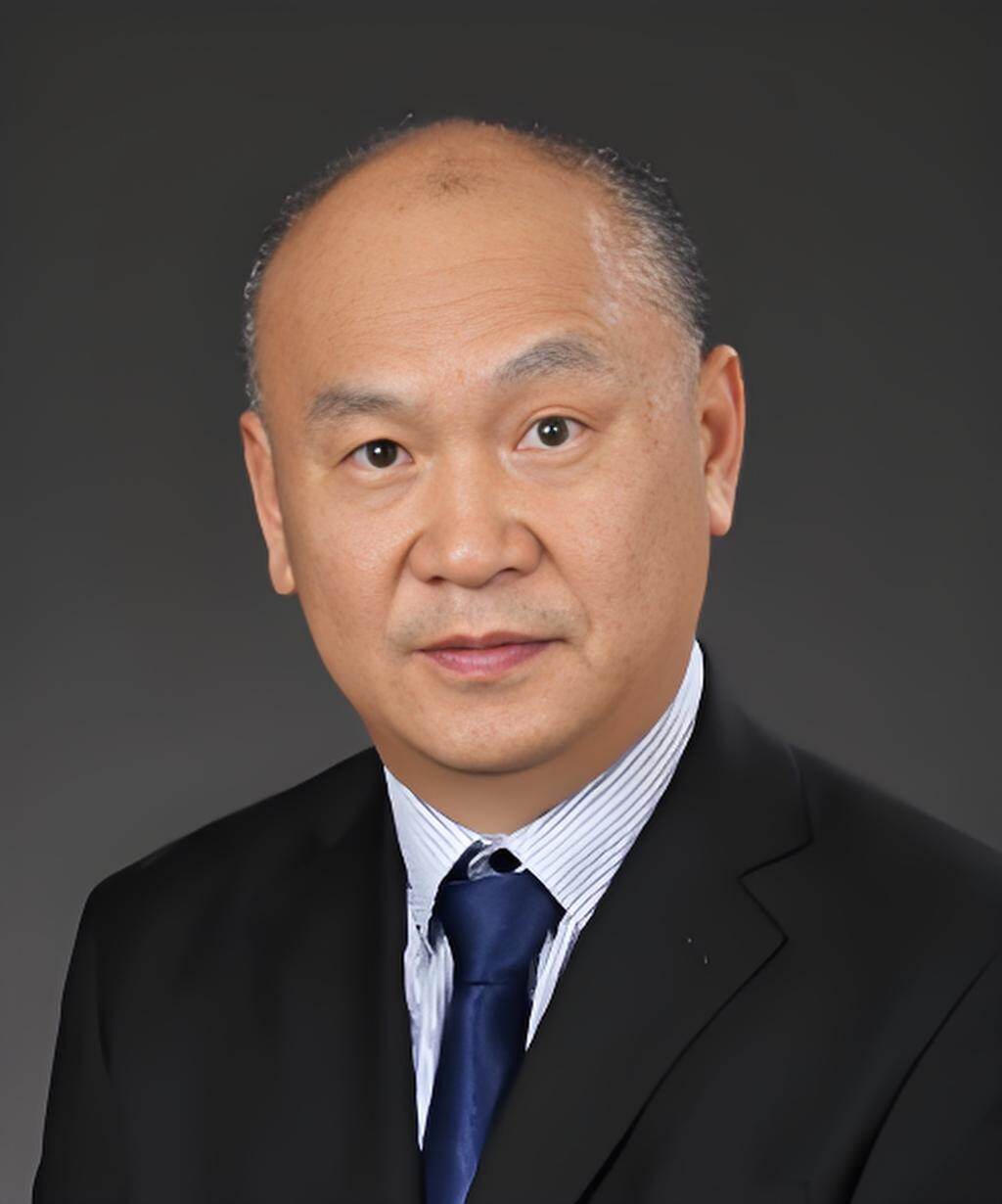
Huang Yongfeng
Professor at the Department of Electronic Engineering, Tsinghua University
Huang Yongfeng is a Professor and PhD Supervisor in the Department of Electronic Engineering at Tsinghua University, and Deputy Director of the Institute for Information Cognition and Intelligent Systems. He was named one of China's Top 10 Outstanding Teachers in Cybersecurity in the first national selection. His research and teaching focus on network technologies and cybersecurity. He has led numerous projects funded by the National Natural Science Foundation of China (Key Program and General Program), the Ministry of Science and Technology's Key R&D Programs, 973, 863, and Support Plans, among others (40 projects total). He is an IEEE Senior Member and serves on the Expert Committee of the Chinese Institute of Electronics for Information Hiding and Multimedia Security. He holds editorial board positions at several internationally renowned journals and has served as Co-Chair for major international conferences. He has published over 300 papers in top-tier domestic and international journals such as IEEE Transactions on Information Forensics and Security and Scientia Sinica, as well as at premier conferences including AAAI and ACL. He has authored 4 books, translated 2 books, and written 2 textbooks. He holds more than 10 applied and granted invention patents. He has received First-Class and Second-Class Provincial and Ministerial Scientific Achievement Awards (2 and 3, respectively). His textbook "Computer Network Tutorial," which he edited, won the First Prize for Excellent Teaching Materials from the China Association for Education in Electronics. He has been honored multiple times with Tsinghua University Teaching Achievement Awards, Advanced Worker awards, and Outstanding Communist Party Member awards.
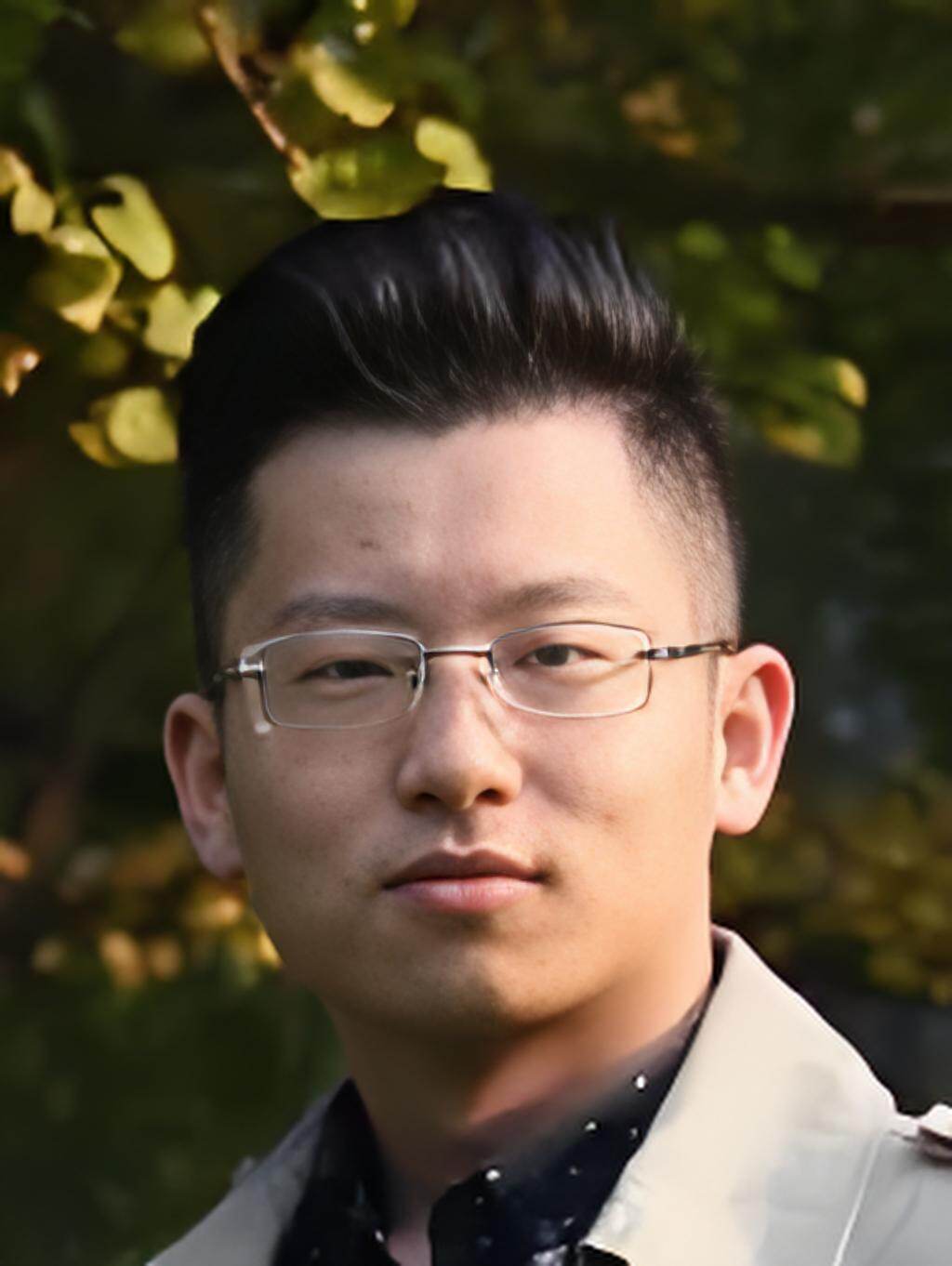
Wang Wenguan
Research Fellow, Hundred Talents Program, School of Computer Science, Zhejiang University
Wang Wenguan is currently a Hundred Talents Program Researcher and PhD supervisor at the School of Computer Science, Zhejiang University. He is an awardee of the National Natural Science Foundation of China for Overseas Excellent Young Scholars (NOBS) and an IEEE Senior Member. From 2022 to 2023, he served as Lecturer/Assistant Professor at the University of Technology Sydney, where he received the Australian DECRA Fellowship. From 2020 to 2022, he was a Postdoctoral Research Fellow at ETH Zurich. From 2018 to 2019, he held positions as Research Scientist and Senior Scientist at the Institute of Innovation and AI (IIAI). From 2016 to 2018, he was a Visiting Scholar at UCLA. He earned his PhD from Beijing Institute of Technology in 2018. He has mentored students who received awards including the NSFC Doctoral Fund, National Scholarship, CAST Doctoral Rising Talent Award, and Zhu Kezhen Scholarship. Research Interests: Embodied AI, AI for Science, Neuro-Symbolic Computing, etc. Publications: Over 120 papers published in top-tier journals and conferences such as Nature Communications, IEEE TPAMI, IJCV, ICLR, NeurIPS, CVPR, ICCV, ECCV, AAAI, SIGGRAPH Asia, and ACM MM. Google Scholar citations exceed 26000, with an H-index of 84. Honors & Awards: Qingcheng Award (2025, nationwide {13 recipients}), ACM China Rising Star Award (2023, nationwide {15 recipients}), Intel China Academic Excellence Award (2023, nationwide {17 recipients}), ARC Discovery Early Career Researcher Award (DECRA) ({18), Clarivate Highly Cited Researcher (2023, 2024, 2025), Stanford "Top 2% Most Cited Scientists" (2022, 2023, 2024, 2025), Elsevier Highly Cited Chinese Researchers (2020, 2021, 2022, 2023, 2024), World Artificial Intelligence Conference Outstanding Young Paper Award (2020), CASIA Best Doctoral Dissertation Award (2019), and ACM China Best Doctoral Dissertation Award (2018). Led teams to achieve advanced rankings in 15 international academic competitions, including 7 first-place wins, 3 second-place finishes, and 5 third-place results. Personal Website: https://sites.google.com/view/wenguanwang Google Scholar: https://scholar.google.com/citations?user=lZQRrrkAAAAJ&hl=en GitHub: https://github.com/wenguanwang
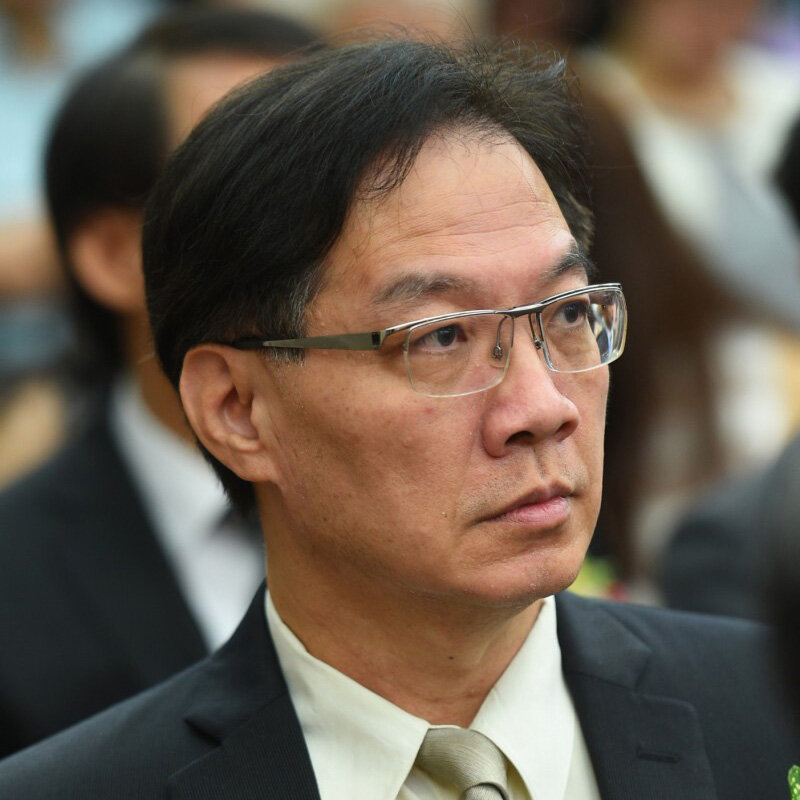
Zhan Jingyu
President of the National Taiwan University of Arts
Experience National Taiwan University of the Arts, President National Taipei University, Director of Alumni Relations Center National Taipei University, Dean of College of Electrical Engineering and Computer Science National Taipei University, Chief Secretary Unit: Department of Information Engineering, College of Electrical Engineering and Computer Science Experience: National Taipei University - Professor in Department of Information Engineering / Institute of Electrical Engineering / Department of Electrical Engineering (2004-08 ~ 2015-12) National Taiwan University of the Arts - Distinguished Professor and Acting President (2004-08 ~ 2015-12) National Taiwan Ocean University - Associate Professor in Department of Information Engineering / Department of Navigation Technology (2016-08 ~ 2024-07) Expertise: Integrated Circuit and System Design, Parallel and Distributed Processing, Intelligent Robots Email: 2016

Mohammed Naeem Hussein
Professor at Bangladesh University of Engineering and Technology
Dr. Muhammad Naeem Hossain is an Assistant Professor in the Department of Business and Technology Management at the Islamic University of Technology (IUT) in Bangladesh. He brings over 10 years of teaching and research experience at both undergraduate and graduate levels. Dr. Hossain earned his Ph.D. from the School of Management at Huazhong University of Science and Technology in Wuhan, China—a business school accredited by the Association to Advance Collegiate Schools of Business (AACSB). During his doctoral studies, he served as a researcher and was awarded the prestigious fully funded Chinese Government Scholarship (CSC). As a researcher, he has published numerous papers in leading academic journals including *Technological Forecasting and Social Change*, *Technology in Society*, *Journal of American National University*, *Journal of Knowledge Management*, and *Higher Education, Skills and Work-Based Learning*. These journals are published by Emerald, Elsevier, and Taylor & Francis, enjoy high recognition both domestically and internationally, and are indexed in Scopus, SCI, ESCI, ABDC, and ABI/INFORM Global. His research focuses on technology management, distance education, mobile/e-learning for social inclusion, and technology adoption. Additionally, he serves as a peer reviewer for several respected journals, including *The International Review of Research in Open and Distributed Learning* (IRRODL, published by Athabasca University, Canada), *Technological Forecasting and Social Change*, *Futures*, and *Higher Education, Skills and Work-Based Learning*. Currently, he is collaborating with Tabuk University in Saudi Arabia on two research projects. Dr. Hossain holds a Bachelor of Business Administration (BBA) in Management and a Master of Business Administration (MBA) in Human Resource Management from the University of Dhaka. Prior to joining IUT, he served as faculty at the University of Information Technology and Sciences (UITS) for 3.8 years and at the Army Institute of Business Administration (Army IBA) for 2.9 years, honing his exceptional teaching communication skills and ability to effectively guide students toward their goals. He is a member of the Association for Information Systems (AIS-US) and currently serves as the Director of Research for the Bangladesh Chapter of AIS (AIS-BD). Specialization: Technology Adoption, Cloud Computing, Adult Learning, MOOCs, Educational Research, AI in Education, Blockchain.
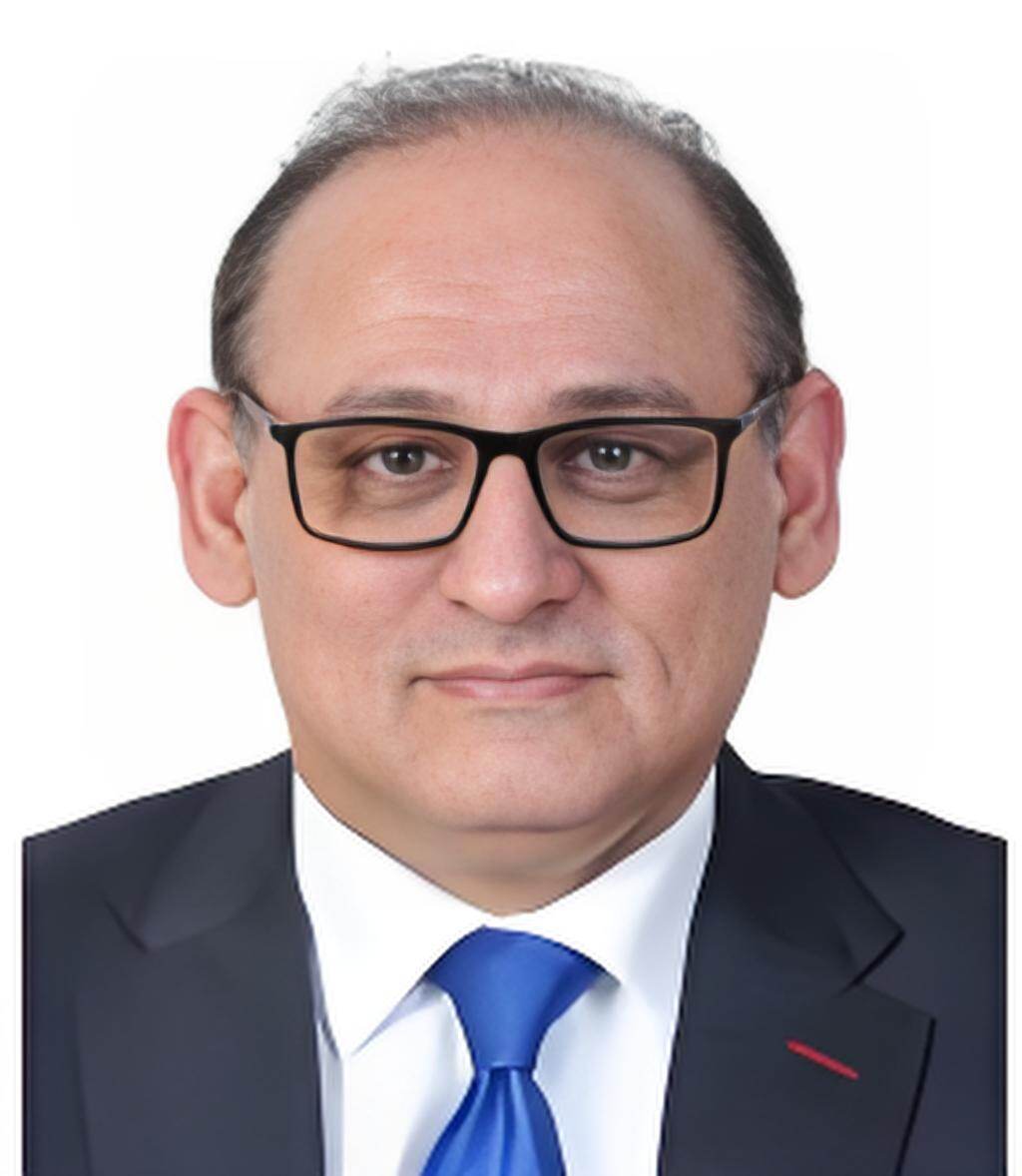
Hassan Dad Bat
Honorary Director, Center for the Belt and Road Initiative and Regional Studies
Dr. Hassan Dad Butt, a Pakistani national born in 1970, holds a Ph.D. in Management from Bahria University. He currently serves as Honorary Director of the "Belt and Road" and Regional Research Center in Beijing, China, and is a member of the Academic Committee at the Global Governance Institute (GGI). He also acts as CEO of the Khyber Pakhtunkhwa Board of Investment and Trade (KP-BOIT) and the Khyber Pakhtunkhwa Special Economic Zone Authority (KP-SEZA). Previously, he served as a diplomat at the Embassy of Pakistan in China and as Project Director for the China-Pakistan Economic Corridor (CPEC). His primary research areas include Chinese culture and management strategy, international project management, risk management, special economic zone management and regulations, SME development, and cross-cultural leadership. He is fluent in English and Urdu, with Chinese serving as a working language.
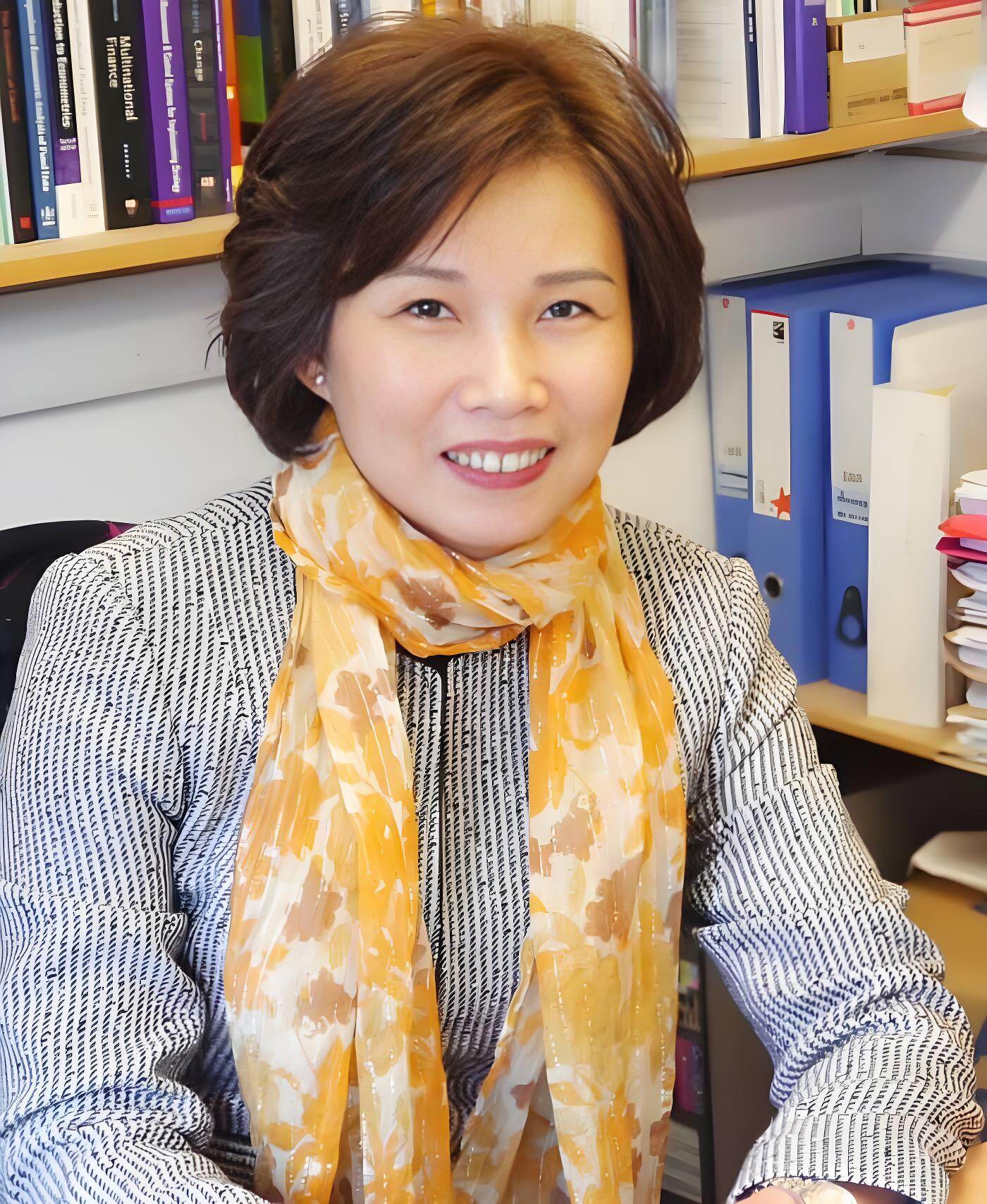
Fu Xiaolan
Fellow of Green Templeton College and Fellow of the Social Sciences Academy
Professor Fu has been appointed Director of the Oxford Advanced Research Centre (OARC) by the University of Oxford, which fully owns the Oxford Suzhou Advanced Research Centre (OSCAR). She was appointed by the UN Secretary-General as a High-Level Advisory Group member of the UN Technology Facilitation Mechanism and as a Council Member of the UN Technology Bank for Least Developed Countries. She also serves on the Leadership Council of the UN Sustainable Development Solutions Network (SDSN), led by Jeffrey Sachs. She is the recipient of the Falling Walls Science Breakthrough Award in 2021, the CFA Institute Asia-Pacific Research Exchange Award in 2019, the Best Journal Article Award from ESCP Europe in 2018, and the Best Paper Award from the Strategic Innovation Interest Group of the European Academy of Management (EURAM) in 2017. Her research interests include innovation, technology, and industrialization; trade, foreign direct investment, and economic development; emerging economies in Asia; and innovation and productivity in the UK and US. She has published extensively in leading international journals, both independently and collaboratively. Her recent publications include "Innovation Under the Radar," "China's Path to Innovation," "China's Role in Global Economic Recovery," and "The Rise of Southern Technological Powerhouses." Professor Fu is Editor-in-Chief of the Journal of Chinese Economic and Business Studies and an Editorial Board member of Corporate Governance: An International Review, the International Journal of Technology Management, and four other international journals. Before joining Oxford, she was a Senior Research Fellow at Cambridge University. Prior to moving to the UK, she spent five years working in China's business sector before embarking on her academic career.
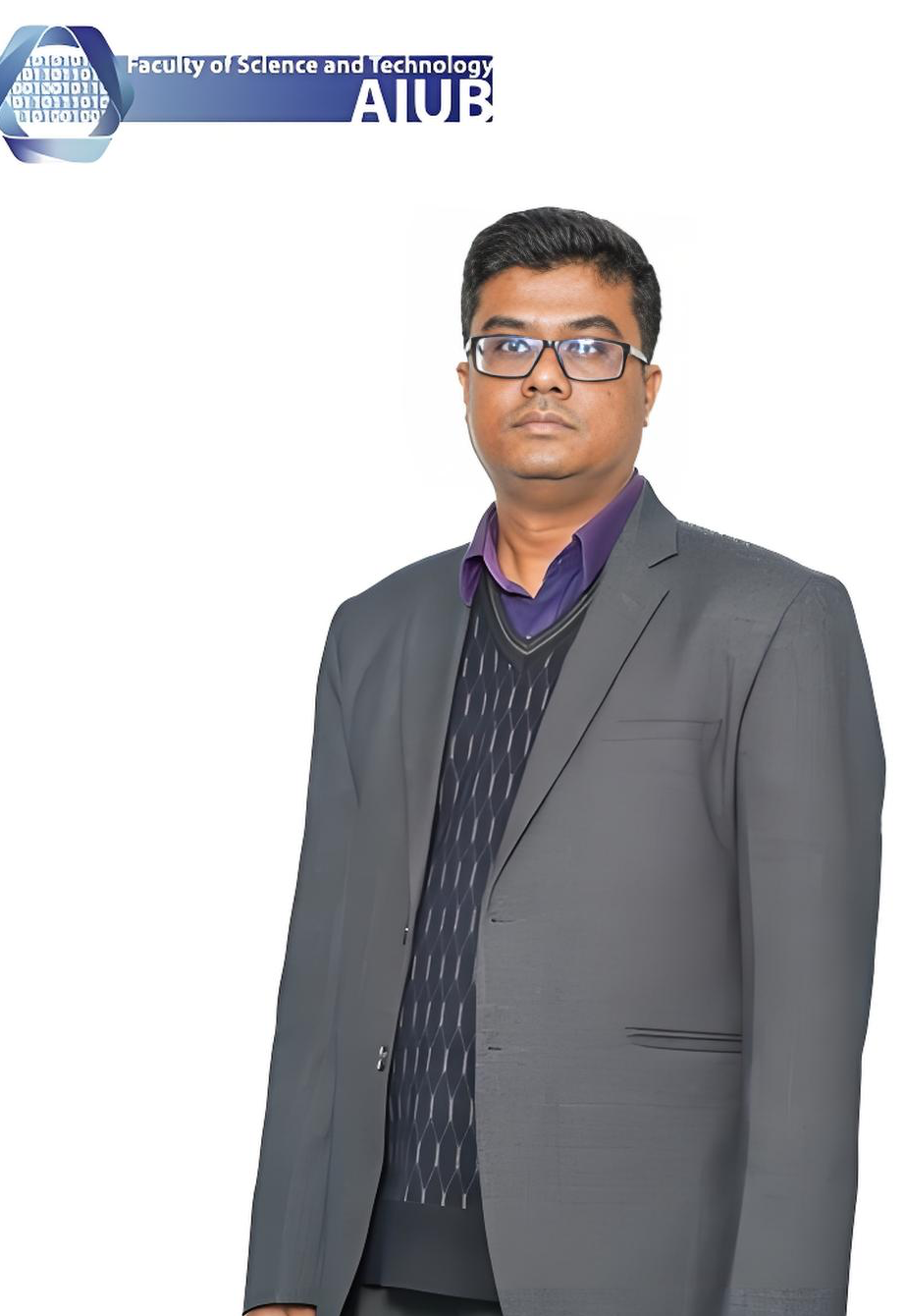
Mohammed Philoz Milid
Professor and Chair, Department of Computer Science
M. F. Mridha (Senior Member, IEEE; Professional Member, ACM) is a Professor in the Department of Computer Science at American International University-Bangladesh (AIUB). He previously served as Associate Professor and Chair of the Department of Computer Science and Engineering at Bangladesh University of Business and Technology (BUBT) from 2019 to 2022. He was a faculty member in the CSE department at an Asian university and completed his graduate studies from 2012 to 2019. He founded and directs the Advanced Machine Intelligence Research Lab (AMIR Lab). Dr. Mridha earned his Ph.D. in Artificial Intelligence from Jahangirnagar University in 2017. For over 20 years, he has supervised master's and undergraduate thesis projects. He has authored or edited several books with Springer and published more than 300 journal papers (including IEEE Transactions) and conference papers (including A* ranked conferences), receiving over 5500 citations. His research interests include Artificial Intelligence (AI), Computer Vision (CV), Machine Learning (ML), Large Language Models (LLM), and Natural Language Processing (NLP). He has served on program committees for various international conferences and workshops. Additionally, he has been a member of the editorial boards of several journals, including PLOS ONE. In the 2024 ScholarGPS ranking, he placed within the top 0.5% of researchers globally. According to the Stanford/Elsevier 2024 edition, he is among the top 2% most-cited scientists worldwide. Ranked by Scopus/Elsevier, he is one of the top 5 most productive researchers in Bangladesh and was recognized as a top researcher in Computer Science and Engineering in 2024.
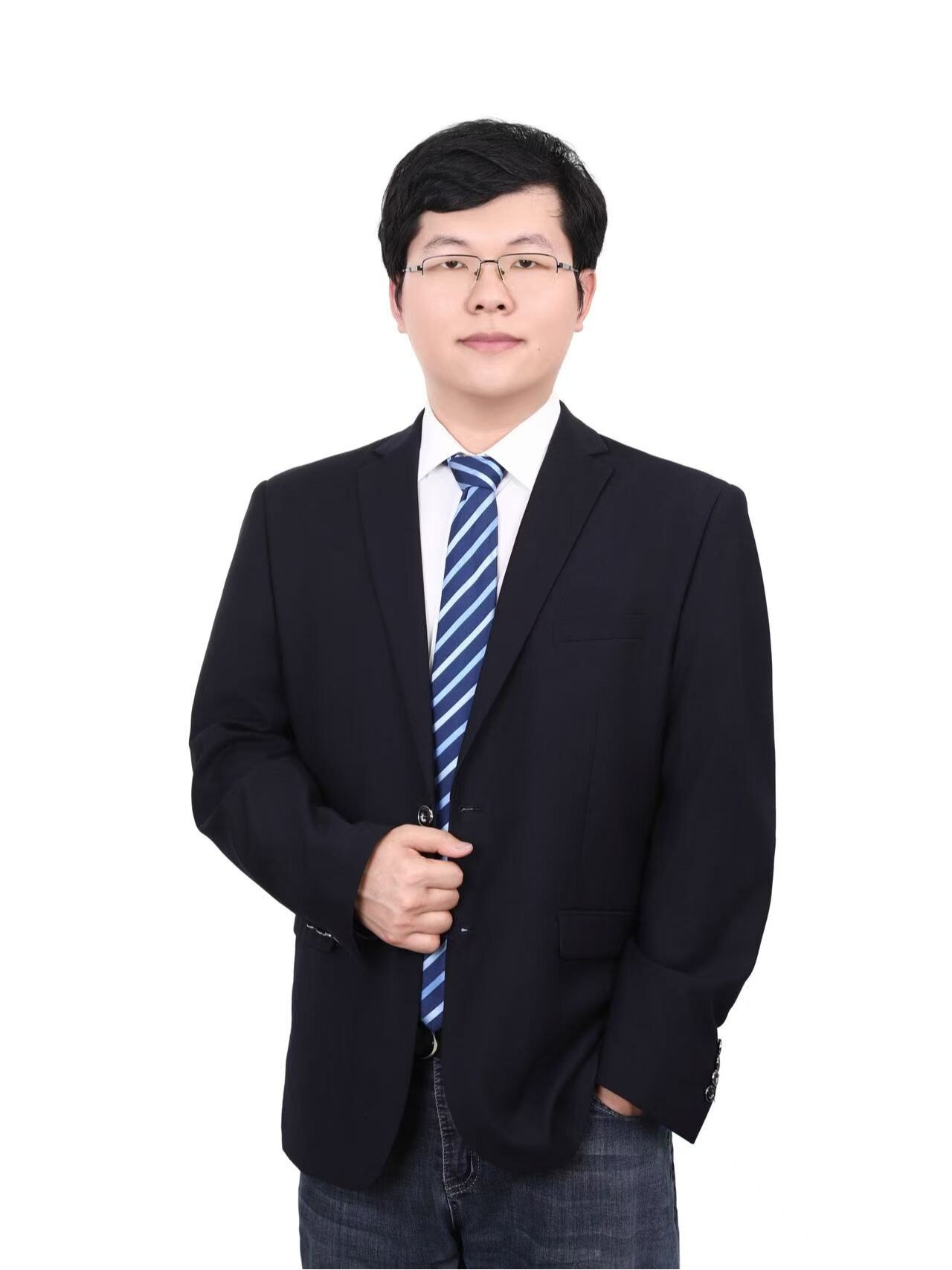
Sha Lei
Professor at the School of Artificial Intelligence, Beihang University; Doctoral Supervisor
★ Research Overview 1. Research Interests: Focused on the construction and maintenance of trustworthy large language models (LLMs) and AI for Science. 2. Achievements: Principal investigator for projects including the National Natural Science Foundation of China (NSFC) Young Scientists Fund, NSFC Overseas Excellent Young Scholars Program, Beihang University Concept Verification Project, Xiaomi "Tie Bang" Initiative, Beihang University General Program, Zhengzhou City Key R&D Special Project under the "Tie Bang" Initiative, and ZGC National Major Science and Technology Projects. Earned a Ph.D. in Science from the Institute of Computational Linguistics, School of Information Science and Technology, Peking University, in 2018. Subsequently served as a Senior Research Scientist in Apple's Siri NLP team. From 2020 to 2022, worked as a Research Associate at Oxford University's Intelligent Systems Group. Published numerous papers in top-tier conferences and journals. Successfully deployed technologies in Apple's Siri project, Serein Company's intelligent contract assistant, and OxTium multi-omics medical diagnostic LLM. Served as Area Chair for international conferences and reviewer for multiple authoritative journals. Recipient of EMNLP 2020 Distinguished Reviewer Award and ACL Outstanding Paper Award. ★ Education & Teaching 1. Academic Background: Earned a Ph.D. in Science from the Institute of Computational Linguistics, School of Information Science and Technology, Peking University, in 2018. Subsequently served as a Senior Research Scientist in Apple's Siri NLP team. From 2020 to 2022, worked as a Research Associate at Oxford University's Intelligent Systems Group. 2. Teaching Activities: Recruiting interns specializing in Natural Language Processing (NLP), Large Language Models (LLMs), and AI4science. Goal: To produce world-class research outcomes and publish in top-tier venues. Requirements: Strong mathematical foundation and problem-solving skills; experience in data mining, machine learning, information retrieval, NLP, artificial intelligence, or algorithmic game theory is preferred; excellent programming and communication skills required. Contact via email. 3. Academic Collaboration: Open to collaborations based on NLP and LLM technologies (including applications in law, finance, smart healthcare, etc.). Contact via email. ★ Contact Email: shalei@buaa.edu.cn
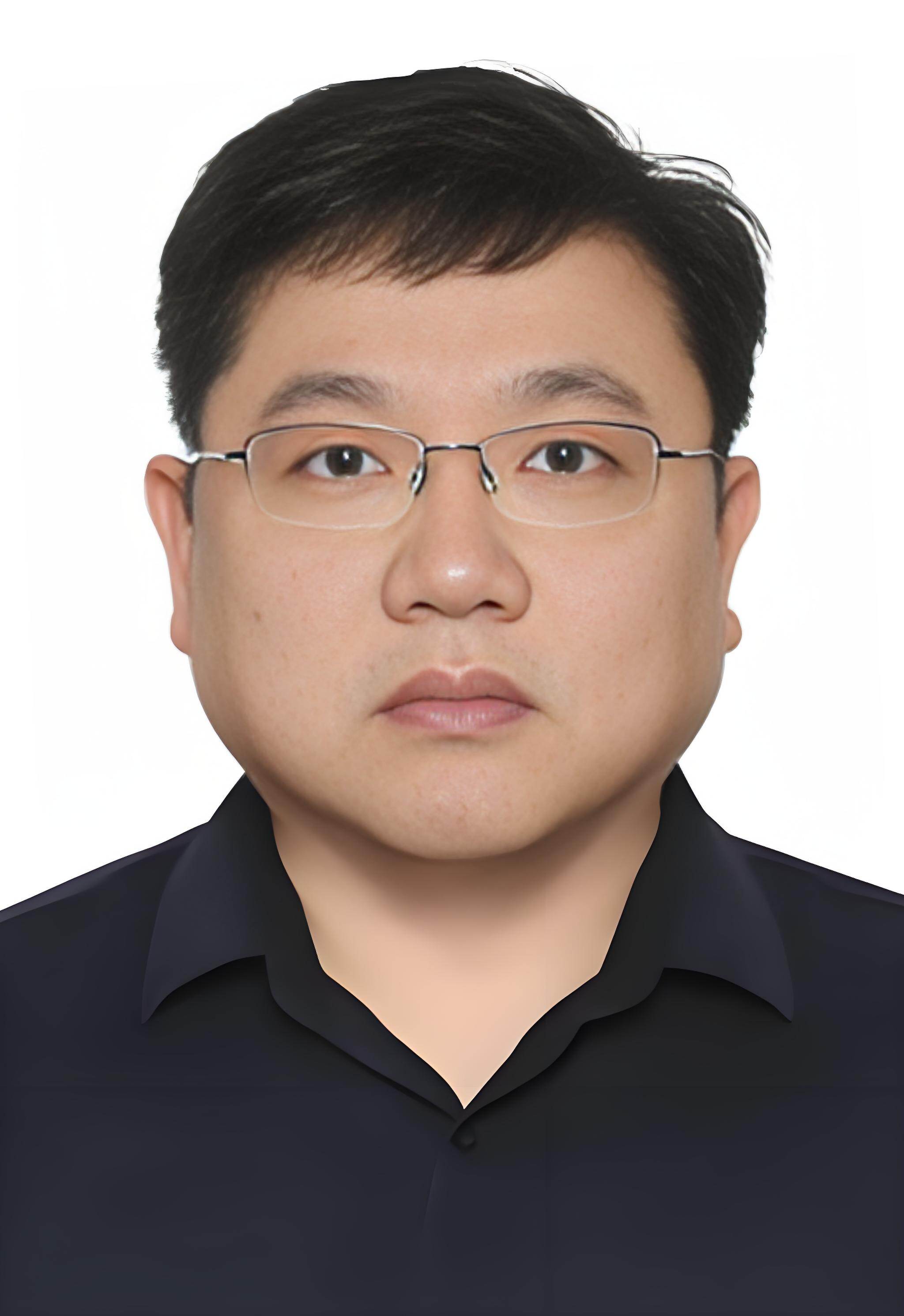
Zhu Pinpin
Professor and PhD Supervisor at the School of Computer Science, Shanghai University; Executive Dean of the School of Innovation and Entrepreneurship
Research Focus Primary areas include natural language understanding, multimodal human-computer interaction, and the R&D and industrial application of large-scale models. Research also extends to scientific intelligence, AI education, and entrepreneurship education. Personal Profile Male, Han ethnicity, born in 1976. Professor and PhD supervisor at the School of Computer Science, Shanghai University; Executive Dean of the School of Innovation and Entrepreneurship; recipient of the State Council Special Allowance; Shanghai Leading Talent; founder and chief technology architect of Xiao-i Robot (NASDAQ: AIXI). He has long focused on the R&D and industrial application of natural language understanding and human-computer interaction technologies, establishing himself as a leading expert in both technical innovation and industry implementation. He holds over 100 domestic invention patents and over 10 international invention patents. Currently serves as Deputy Director of the National Information Technology Standardization Committee, Council Member of the Chinese Association for Artificial Intelligence, Director of the Shanghai Engineering Research Center for Intelligent Computing Systems, and Chief Expert of the Future Intelligence Center at the University Town of Shanghai Institute of Innovation Engineering. Frequently invited to speak at international forums such as the International Joint Conference on Artificial Intelligence (IJCAI), he was named by Forbes in 2017 as one of the 20 technology leaders driving China's AI industry revolution. His accolades include the Shanghai Science and Technology Progress Award, Shanghai Top 10 Outstanding Young Entrepreneurs, Shanghai IT Rising Stars, and Shanghai Smart City Construction Pioneer Leader.
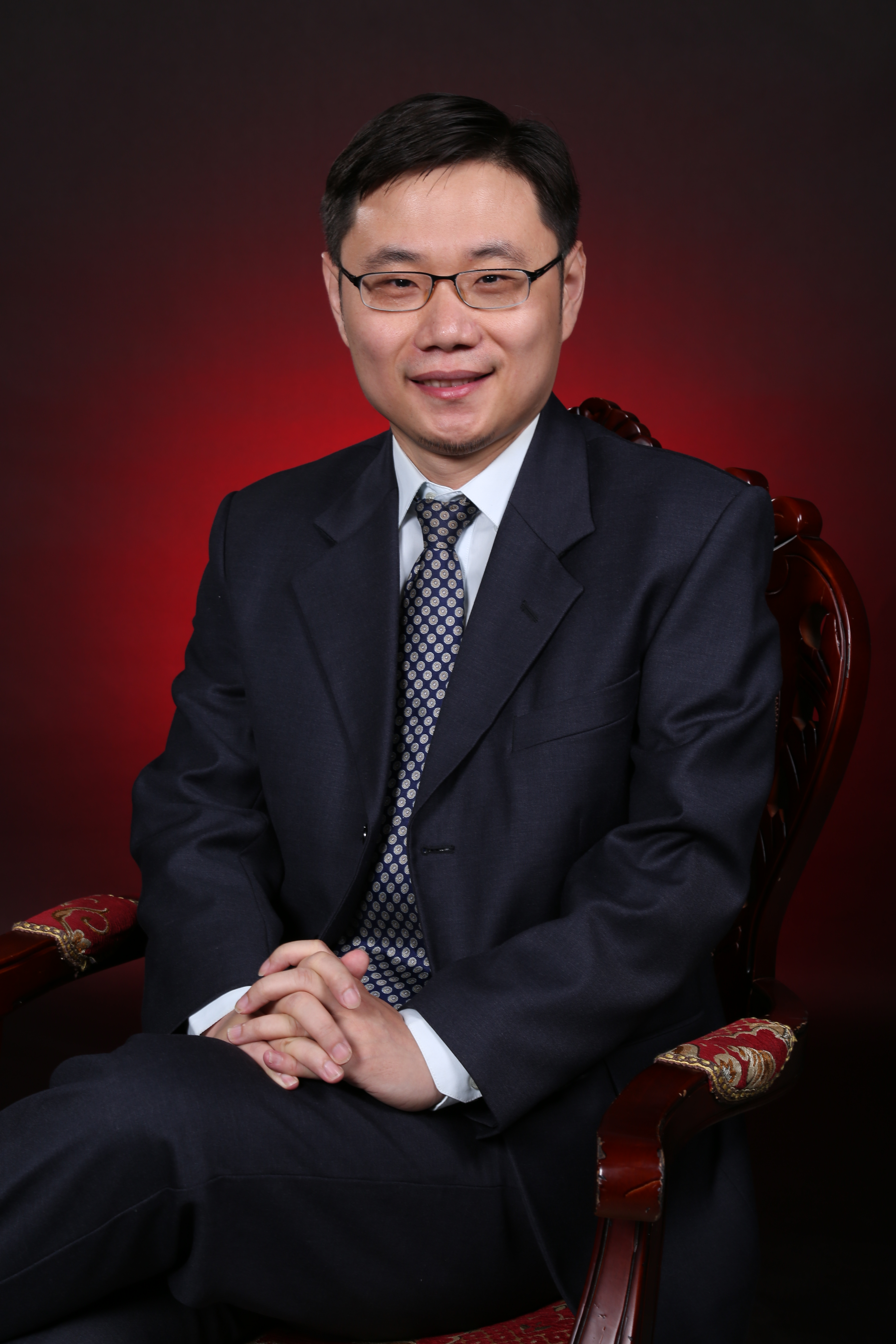
Lu Yu
Ph.D. supervisor at the School of Education, Beijing Normal University; Deputy Dean of the College of Educational Technology
Doctoral supervisor at the Faculty of Education, Beijing Normal University; Vice Dean of the School of Educational Technology; Director of the AI Laboratory at the Beijing Future Education High-End Innovation Center; and Secretary-General of the Expert Committee on Artificial Intelligence in Primary and Secondary Schools in Beijing. He earned his Ph.D. in Computer Engineering from the National University of Singapore and conducted extensive research in artificial intelligence and its educational applications at institutions such as A*STAR (Agency for Science, Technology and Research) in Singapore. He currently serves as Associate Editor for multiple SCI/SSCI journals, including *International Journal of Artificial Intelligence in Education* and *IEEE Transactions on Learning Technologies*, and as Program Chair for premier international conferences in educational AI, such as AIED. He has authored 3 books and published over 100 academic papers in Chinese and English. He has led 1 projects under the National Key R&D Program of China, 3 grants from the National Natural Science Foundation of China, as well as key projects from the Beijing Education Science Planning Office and the Ministry of Education's Humanities and Social Sciences Research Program. His team has developed multiple intelligent education systems, securing 9 authorized national invention patents. These innovations have been directly deployed in over 200 primary and secondary schools across Beijing, Guangdong Province, and the Ningxia Hui Autonomous Region, serving more than 90 teachers and students. He has received numerous domestic and international awards, including the Springer Nature China New Development Award, the Silver Award for Technological Innovation at the Asian Forum on Digital Learning, and an Outstanding Project Award from the Ministry of Education's Industry-Academia Cooperation and Collaborative Education Program. He is the chief editor or lead reviewer for multiple K–12 and vocational education textbooks on AI and information technology, has developed a new curriculum framework and course resources aligned with updated national standards for AI education in primary and secondary schools, and serves as a judge or mentor for youth talent development programs, including the Beijing Top-Tier Youth Talent Cultivation Plan.
Apply to Join the Expert Pool
If you are an expert with deep expertise in this field, we invite you to apply for our Expert Network.
Contact Us